Understanding Traditional Reels vs. Modern Grid Slots
To appreciate how slot entertainment has evolved, it helps to contrast the classic reel setup with the modern grid layout. While traditional slots rely on rotating reels, grid games draw inspiration from mobile matching games.
From Spinning Columns to Expanding Boards
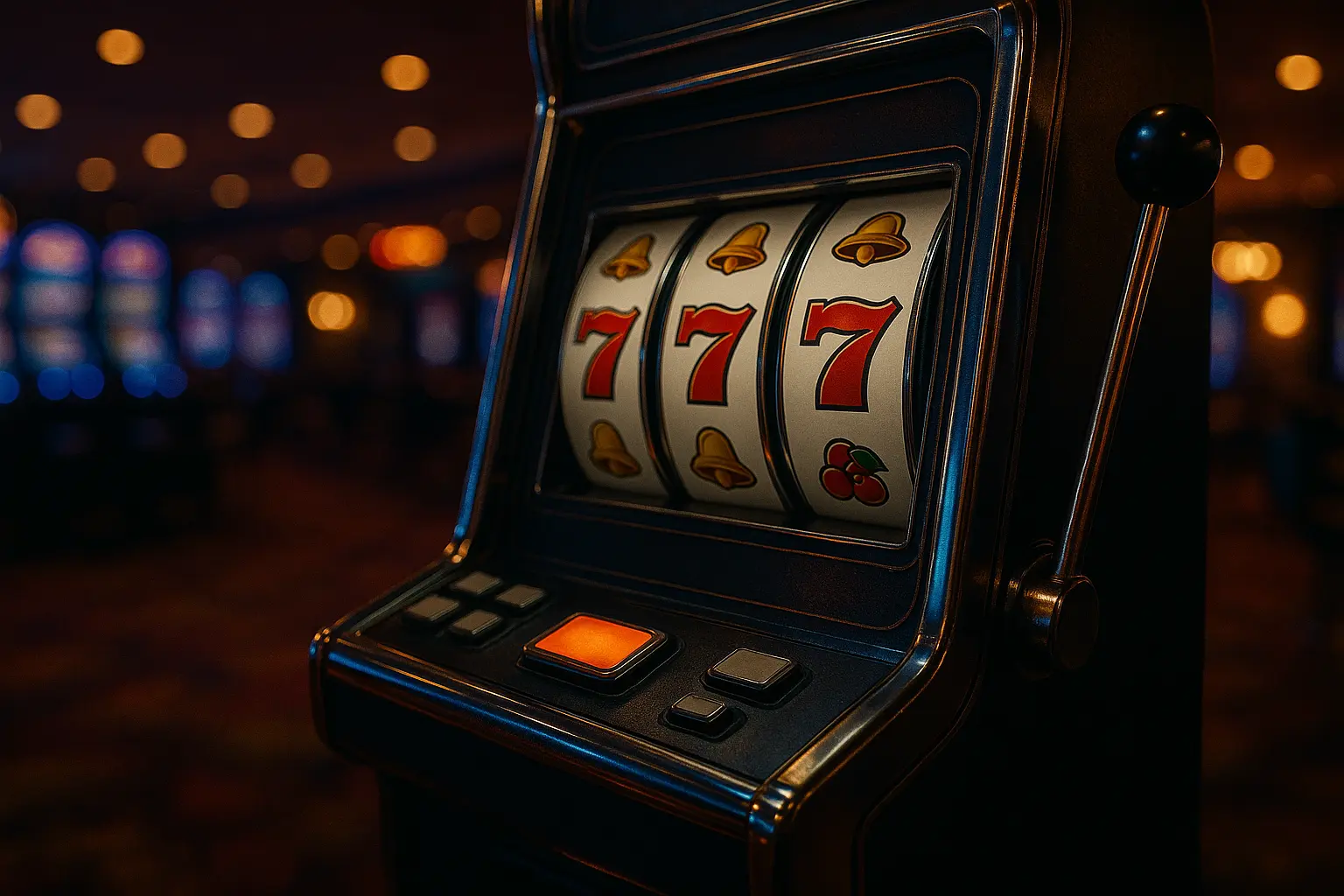
Traditional online slots typically feature a three-reel or five-reel format with fixed row counts, such as a 5x3 board. When you press the spin button, each column spins vertically and comes to a stop. Winning outcomes depend on landing matching icons across predetermined paths known as paylines, usually running from the leftmost reel to the right.
In contrast, grid slots operate on much larger square or rectangular playfields, such as 7x7 or 8x8 setups. Instead of traditional spinning reels, icons drop directly from above into empty positions. Many modern fall slot games utilize cascading or avalanche mechanics. When a winning combination appears on a grid, those matching icons explode or dissolve, allowing above icons to drop down while fresh symbols tumble in from the top to fill empty positions. This tumbling action means a single wager can lead to multiple successive wins during a single turn.
Mechanics Breakdown: Cluster Pays vs Paylines
The core difference between classic reels and grid slots lies in how winning payouts are evaluated and triggered during play.
Connecting Symbols Across Spatial Clusters
When analyzing cluster pays vs paylines, the spatial relationship between symbols is the main differentiator. In traditional payline systems, symbols must land on consecutive reels following explicit geometric patterns (horizontal, diagonal, or zig-zag). If four matching icons land on reels 1, 2, 4, and 5, you usually do not win because the gap on reel 3 breaks the line sequence.
Under cluster pays mechanics, line paths do not exist. Instead, wins are awarded whenever a minimum number of identical symbols—usually five or more—touch horizontally or vertically in a contiguous block. It does not matter where on the grid this cluster forms. Understanding grid slots mechanics reveals that this spatial freedom creates diverse winning shapes, from simple squares to winding L-shapes across the board. Furthermore, larger clusters yield significantly higher payout multipliers, creating high excitement when massive clusters form.
Choosing the Right Slot Style for Your Playstyle
Both classic reel machines and cluster-based grid slots offer distinct advantages depending on what you value most during a gaming session.
Pacing, Complexity, and Visual Engagement
Classic reel slots are perfect for players who appreciate straightforward mechanics, fast outcomes, and simple visual tracking. You press spin, watch the reels stop, and immediately know if you have won based on visible paylines. The gameplay pacing is predictable and consistent.
Grid slots, on the other hand, cater to players looking for deeper visual engagement and gamified progression. Because fall slot games often feature chain reactions, individual game rounds last longer. A single spin can trigger five or six consecutive cascades, building up win meters, unlocking progressive multipliers, or triggering special wild transformations. However, because chain reactions can produce large payout spikes, many grid games carry higher volatility, meaning wins may come in intense bursts interspersed with quieter spins.
Key Takeaways
- • Grid slots evaluate wins based on groups of touching symbols (clusters) rather than traditional left-to-right paylines.
- • Cascading mechanics in fall slot games allow winning symbols to disappear, letting new symbols drop down for bonus wins on a single wager.
- • Traditional reel slots offer predictable pacing and simple payout structures, making them ideal for traditional play.
- • Grid slots mechanics frequently feature gamified elements like collection meters, progressive multipliers, and random modifiers.
- • Cluster pay games tend to feature higher variance due to multi-step cascade sequences that build large multiplier potential.
Deep Dive
Advanced Grid Features: Meters, Multipliers, and Transformations
What makes modern grid slots mechanics so popular is the inclusion of progression meters that turn standard spins into video-game-like experiences. As winning clusters clear from the board, the removed symbols are added to an power meter. Reaching specific milestones on the meter triggers special board modifiers, such as converting random symbols into wilds, removing low-paying symbols, or expanding the grid layout from a 5x5 to an 8x8 space.
When comparing cluster pays vs paylines, traditional payline slots rarely offer this level of momentum within a single base spin. In grid games, a small initial cluster of five low-value symbols can charge a meter, which then releases a wild modifier. That wild can cause a massive cascade, which in turn unlocks a higher multiplier tier. This layered structure creates a compelling narrative on every spin, as players watch the grid evolve during long tumbling cascades.
FAQ
What is the main difference in cluster pays vs paylines?
Paylines require matching symbols to land along specific left-to-right patterns across consecutive reels. Cluster pays award prizes whenever matching symbols touch horizontally or vertically in a group anywhere on the grid, regardless of traditional reel lines.
Are grid slots more complex to learn than classic reel games?
While grid slots have more visual activity due to cascading symbols and modifier meters, the underlying gameplay is simple. The game automatically calculates clusters and cascades for you, making them easy to pick up after playing a few spins in demo mode.
How do cascades work in fall slot games?
In fall slot games, symbols drop from above to fill the grid. When a cluster pays out, those winning symbols burst and drop off the board. Above symbols fall down to fill the spaces, and new symbols fall in from the top. If new winning clusters form, the process repeats without costing extra credits.
Deep Dive
Evaluating RTP, Volatility, and Entertainment Value
When choosing between traditional reel titles and cluster grid games at online casinos, always inspect the game's statistical information panel. Return to Player (RTP) percentages are generally comparable across both categories, typically hovering between 95% and 97%. However, the distribution of payouts differs noticeably.
Standard payline games distribute wins in a steady, incremental manner across base game spins. Grid slots often distribute a portion of their payout potential into progressive feature triggers and long cascade chains. As a result, grid slots may deliver smaller frequent base hits alongside occasional high-multiplier cascades. To manage your bankroll effectively, consider playing demo versions first to get a feel for a game's hit frequency and tumbling pacing before playing with real stakes.
Conclusion
Both traditional reel slots and innovative grid games offer distinct forms of online entertainment. Standard payline slots deliver classic, fast-paced action that is easy to follow. Meanwhile, grid slots mechanics bring a modern twist through cascading reels, symbol clusters, and interactive feature meters that create multi-layered winning sequences. By understanding how cluster pays vs paylines work, you can choose the slot format that best matches your playstyle, pacing preferences, and entertainment budget.