The Neurology of a Bet: How Brain Activity Changes During Play
Every roll of the dice, spin of the wheel, or flip of a card triggers a wave of neural communication. To understand why casino games are so engaging, we must first look at the specialized structures within our minds that react when money is on the line.
The Neurological Spark: Dopamine and the Reward System
When analyzing brain activity betting, researchers consistently point to the mesolimbic pathway, often called the brain's reward system. The primary chemical messenger here is dopamine. Contrary to popular belief, dopamine is not just released when you win; its primary job is to motivate behavior by anticipating a reward. When you place a bet, your brain experiences a massive surge of dopamine during the period of uncertainty. This "anticipation phase" is actually more chemically active than the moment you find out if you won or lost. This unique aspect of gambling psychology explains why the suspense of a spinning roulette wheel or a sliding card feels so intense. Your brain is temporarily highly focused, hyper-alert, and seeking a resolution to the suspense.
Why We Play: The Thrill of Uncertainty and the "Near-Miss" Effect
Human brains are evolutionary pattern-recognition machines. We naturally try to find order in chaos, which is a major factor in why people gamble even when they know the house has a mathematical edge.
The Science of "Almost Winning"
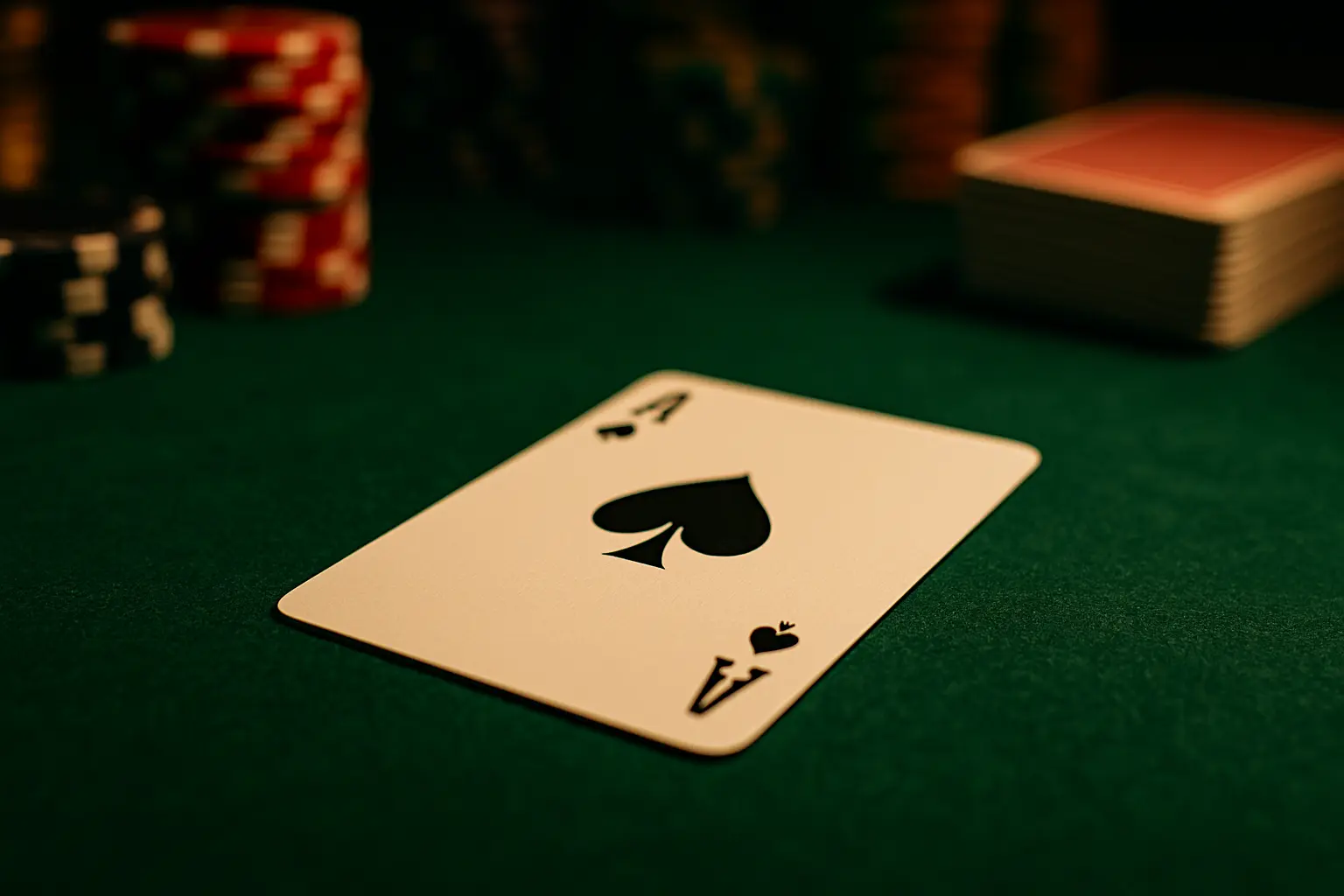
One of the most powerful triggers in casino games is the "near-miss." This happens when a slot machine displays two matching symbols and a third one just out of line, or when a blackjack dealer gets 21 while you sit on 20. Neurological studies show that your brain processes these near-misses almost identically to actual wins. The reward center fires up, registering the event as a signal that you are "close" to winning, rather than acknowledging it as a standard loss. This cognitive distortion is highly engaging. Knowing this mechanism exists can help you consciously recognize a near-miss for what it actually is: a standard loss with no impact on future spins.
Empowering the Player: Making Informed Decisions with Neuroscience
By understanding how your brain reacts to the casino environment, you can shift from reactive play to proactive, strategic play. This knowledge allows you to protect your bankroll and enjoy your time online or in person.
Developing a "Meta-Awareness" of Your Gaming Habits
Armed with an understanding of dopamine and near-misses, you can build what psychologists call meta-awareness—the ability to monitor your own cognitive states. When you feel the urge to instantly chase a loss or double down on a bet, you can pause and tell yourself: "That is just my dopamine reward pathway demanding a quick fix." To keep casino play entertaining, consider these practical, brain-friendly strategies:
- Set hard time limits: Your brain's prefrontal cortex, which controls decision-making, gets tired after prolonged focus, making you more prone to impulsive choices.
- Use automated budgeting tools: Many reputable online casinos offer daily or weekly deposit limits. Set these up beforehand when your brain is cool, calm, and analytical.
- Take regular breaks: Step away from the screen or table to let your dopamine levels reset to baseline, reducing the emotional urge to make risky bets.
Key Takeaways
- • Dopamine spikes during the anticipation phase of a bet, not just when you win, which is why the suspense itself feels so thrilling.
- • The brain processes "near-misses" as near-wins, a biological trick that can prompt players to keep betting if they aren't consciously aware of it.
- • Fatigue compromises the prefrontal cortex, the area responsible for impulse control and logical bankroll management.
- • Using casino safety tools like deposit and loss limits acts as an external prefrontal cortex, keeping your gaming safe and fun.
- • Treating casino games strictly as entertainment with a set cost prevents the brain from viewing bets as a viable source of income.
Deep Dive
Cognitive Biases: How the Brain Distorts Reality in the Casino
To understand the full picture of how our minds operate at a casino, we must look at cognitive biases. Our brains are hardwired to find shortcuts. In a casino, these shortcuts can lead to common logical fallacies. The most famous of these is the Gambler's Fallacy—the belief that if a roulette wheel lands on red five times in a row, black is "due" on the next spin. In reality, each spin is an independent event with the exact same probability. Yet, our brain's pattern-recognition system desperately wants to believe that balance is coming. Another common bias is the Illusion of Control. When playing craps, players often throw the dice harder for high numbers and softer for low numbers. In online slots, some believe that clicking the spin button at a specific millisecond changes the outcome. This is the brain's way of trying to assert dominance over a purely random system to reduce the discomfort of uncertainty. Recognizing these biases allows you to view casino games objectively, enjoying them for what they are: games of chance.
FAQ
Why does betting real money feel so much more exciting than playing free demo games?
When real money is on the line, the stakes trigger a survival-based reaction in our evolutionary brain. Money represents resources, safety, and potential. Betting real money elevates your heart rate and activates the amygdala (the brain's emotional center), releasing a mixture of adrenaline and dopamine that simply cannot be replicated by risk-free play.
Can my brain adapt to the excitement of casino games over time?
Yes. This is a process known as neuroadaptation or habituation. Over time, as you repeat an activity, your brain becomes accustomed to the stimulus, requiring higher stakes or longer sessions to achieve the same chemical "high." Recognizing this progression is vital; if you find that games are no longer fun at your normal budget, it is a clear sign to take a prolonged break.
What are the best casino games for players who want to keep their minds sharp?
Games that involve strategy and active decision-making, such as blackjack, video poker, or Texas Hold'em, engage the prefrontal cortex. These games require mathematical calculation, risk assessment, and memory, keeping your brain actively working rather than passively absorbing random outcomes.
Deep Dive
Transforming Neurological Insight into Safe, Fun Casino Play
Now that you know how the brain functions, you can select and navigate online casinos with confidence. Look for platforms that prioritize player well-being by offering comprehensive responsible gaming tools. Top-tier, licensed casinos allow you to set deposit limits, reality checks (hourly pop-up alerts), and self-exclusion periods. By setting these boundaries before you start playing, you bypass the emotional, dopamine-driven parts of your brain and allow your logical mind to keep you safe and comfortable.
Conclusion
Betting money at a casino triggers a fascinating sequence of chemical reactions designed to excite, motivate, and entertain us. While our evolutionary biology makes us susceptible to cognitive biases like the gambler's fallacy and near-miss excitement, our conscious minds have the power to stay in control. By understanding the inner workings of your brain, setting clear boundaries, and selecting licensed, safe casino sites, you can ensure that your gaming remains a fun, healthy, and thrilling form of entertainment.